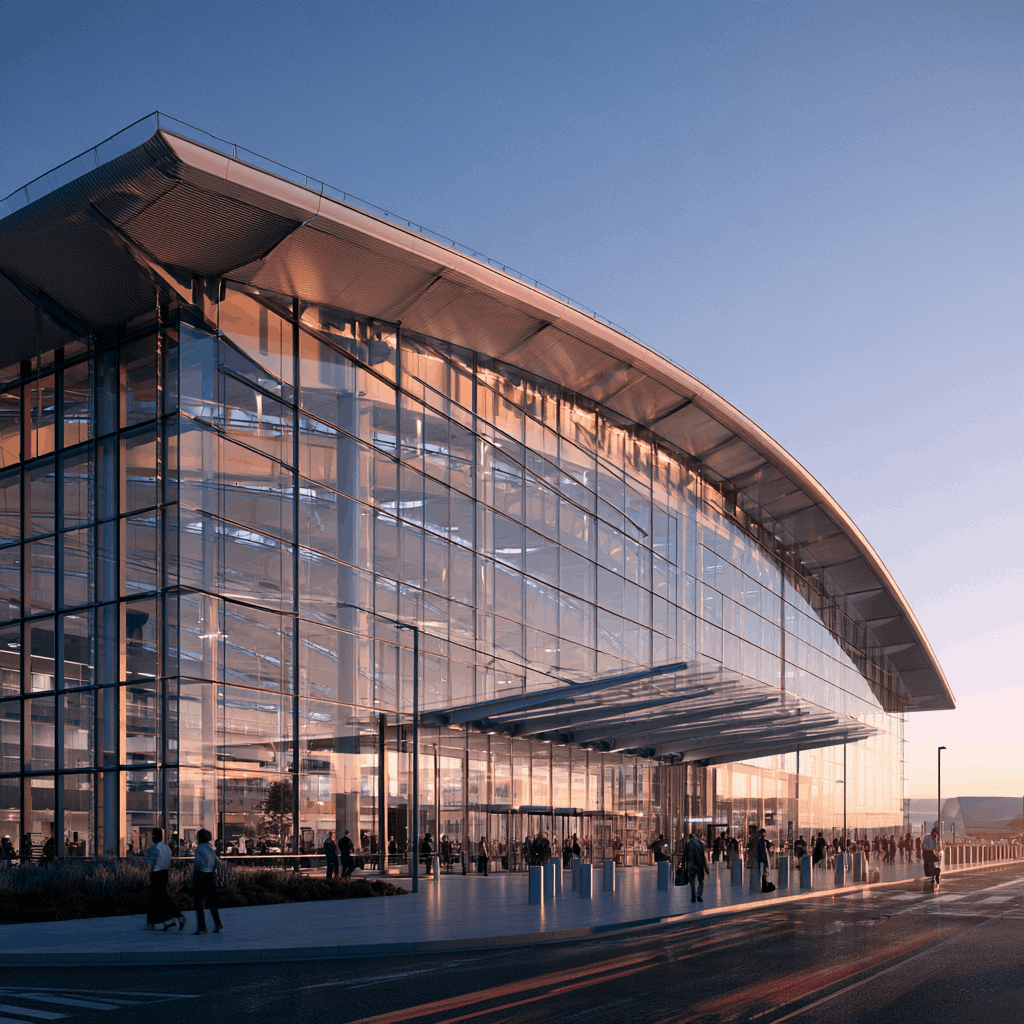
Heathrow is one of those airports that feels enormous the moment you step off the plane, but the signs are generally reliable if you take a second to read them. Most passengers move through Terminals 2, 3, 4 and 5, and each one has its own rhythm.
Navigation starts with knowing which terminal you need. The free trains and buses between them run often, yet the walk from the platform to the actual departure area can still take ten or fifteen minutes. Follow the purple signs for the inter-terminal transfer and give yourself more time than the boards suggest, especially if you are changing from a long-haul arrival to a short connection. Inside each terminal the gate numbers are grouped logically, but the corridors are long, so check the walking time estimates on the screens.
Facilities are solid once you are through security. Toilets are frequent, water refill points exist in most departure areas, and there are quiet corners if you look beyond the main shopping lanes. Power sockets are built into many of the seating rows, though the ones nearest the busy cafes get taken first. Move further along the pier and you usually find free ones.
Food options range from quick counters to fuller meals. Prices sit on the high side, which is expected. If you have time it is worth walking past the first cluster of places, because quieter spots further from the central hall often have shorter queues and a bit more space to sit. Coffee is easy to find at almost every turn.
Rest areas appear once the main rush dies down. Some terminals have designated quieter zones with softer lighting. Even without those, the seats at the far ends of the departure halls are noticeably calmer. For an overnight stay the same logic applies: claim a spot away from the main walkways, keep your bag close, and accept that it will not be perfect sleep but it can be enough.
Transfers are the part that catches people out. If you arrive on one flight and leave from another terminal, factor in the time to collect bags if needed, clear any extra checks, and ride the transfer train. Security lines for connections can still form, so do not assume it will be empty. Keep your boarding pass and documents ready because you may need to show them more than once.
Heathrow works better when you treat the distances as normal rather than a problem. Check the terminal early, follow the signs without rushing, and leave a buffer for the internal moves. Once you do that the airport feels far more predictable and the wait becomes something you can manage instead of something that manages you.

HTML Website Creator