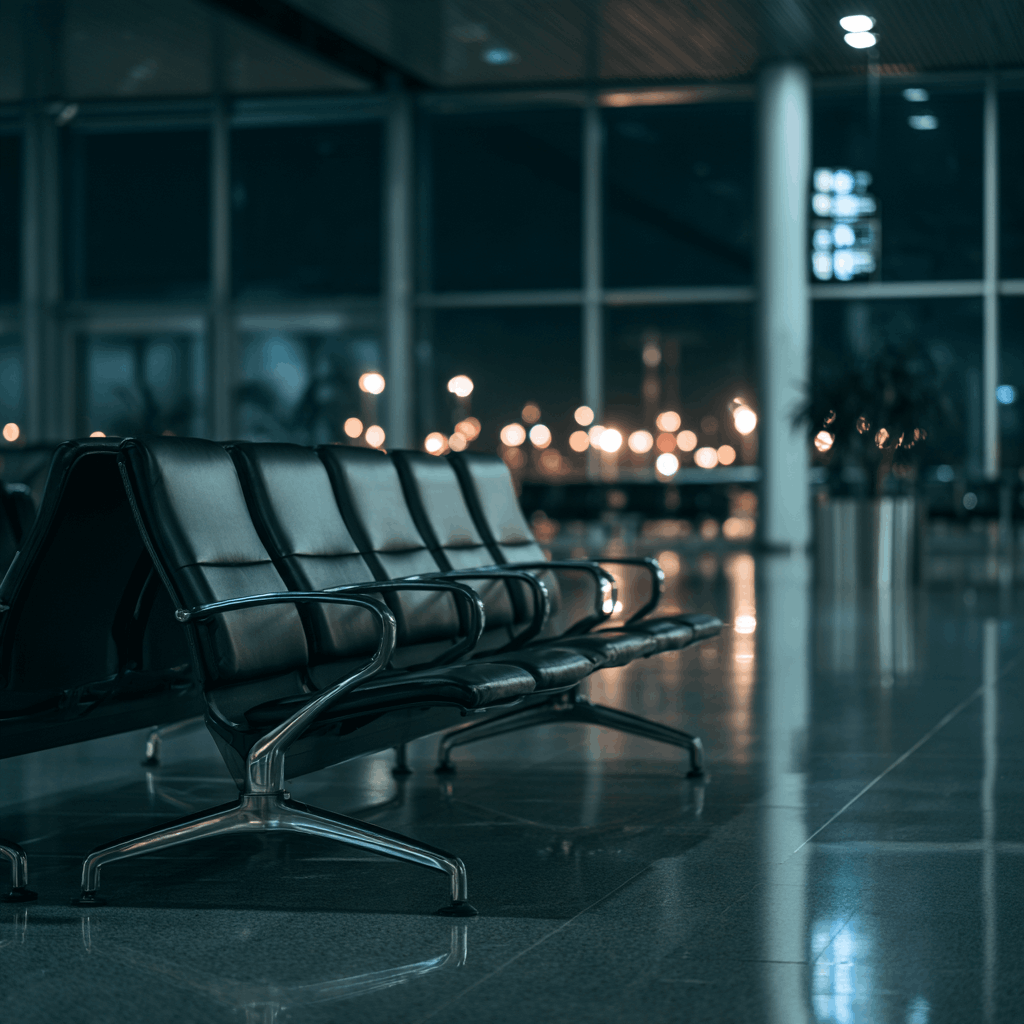
An overnight connection is tiring in a different way from a short one. The terminal empties out, the shops close, and the seats that felt fine at six in the evening start to feel hard by midnight. Finding a place to rest properly makes the next morning far easier.
Quiet zones are the first place to look. Many larger airports set aside areas with dimmer lights and fewer announcements after a certain hour. They are rarely marked with big signs, so ask at an information desk or watch where other people with luggage start to settle. Corners near the end of a pier or behind a row of check-in desks that are closed for the night often work. Keep your bag looped around a leg or under your feet so it stays with you.
Some terminals have dedicated rest areas with reclining seats or simple daybeds. These fill up early, especially on busy routes, so head there as soon as you know you are staying the night. If they are full, the regular gate seats in quieter sections become the next option. Choose ones that face away from the main walkways and are not directly under bright overhead lights. A jacket or scarf over the eyes helps more than most people expect.
Paid lounges sometimes allow entry for a few hours even if you are not flying that airline. They usually offer softer seats, better light control, and sometimes showers. The cost varies, but for a full night it can be worth it if the open terminal feels too exposed. Check the opening hours because not every lounge stays open around the clock.
Basic practical steps make any spot more sleepable. Put on an extra layer because air conditioning often runs colder at night. Use a small travel pillow or roll a jumper under your neck. Keep your documents and phone in an inside pocket so you do not have to dig through the bag half asleep. Set two alarms, one on the phone and one backup, because missing the morning boarding call is the one thing you cannot afford.
Security staff usually leave people alone if they are quiet and not blocking walkways. Still, it is better to stay in the public airside areas rather than trying to hide in corners that look closed off. Moving once or twice during the night to a different seat can also help if the first place gets noisy.
An overnight layover is never perfect sleep, but a bit of planning turns it from pure exhaustion into something manageable. Find the quieter stretch, settle in early, and protect the hours you do get. The next flight feels a lot more human when you have managed even a few solid hours of rest.

AI Website Builder